

Parents & Carers

We provide private speech and language therapy services for parents and carers of children and young people with speech, language, and communication needs (SLCN).

How can we help?

Use our interactive tool to find what you need in just a few clicks.

illustration

Supporting children with speech, language and communication needs

We work closely with parents and carers to assess and support the speech, language and communication needs (SLCN) of children and young people. Our team of experienced speech and language therapists provide specialist services throughout North West England, helping families access expert support close to home. Areas we serve include Stockport, Macclesfield, Wilmslow and many more.

Speech and language support for all children and young people

We have extensive experience of providing speech and language support for children and young people of every age – pre-school, primary, secondary and 16+. Just let us know how old your child is and we can provide advice and guidance on the best way forward.

Speech and language assessments and tailored support plans​

If you’re unsure whether your child has SLCN, already have an assessment, or are simply concerned about their progress, we can help. Our approach accommodates the specific needs of every child, and provides families with clear guidance and reassurance. This is delivered through a wide range of services — from initial speech and language assessments through to tailored therapy and support plans that meet individual requirements. Our goal is to give children the best possible opportunity to develop confident speech, language and communication skills.

On-demand training for parents and carers​

In addition to our services, we provide on-demand speech and language training designed especially for parents and carers. This is delivered through e-learning videos that help you understand common speech, language and communication challenges, and give you practical strategies to support your child’s speaking, listening, reading and writing at home. These cover a wide range of topics so can choose those most relevant to your child’s needs and learn at your own pace.

How to get started with our services

Getting started is simple. The easiest way to enquire about our services is by using our interactive tool. This helps us build an initial picture of your child’s strengths and areas of difficulty so we can recommend the most appropriate next steps, and guide you every step of the way. Alternatively, contact us to find out how we can help.

Speech & language therapy for children and young people

Pre-school

Developing foundational communication skills to help toddlers and young children express needs and interact with others.

Primary

Addressing speech and language needs to support literacy and social development in the school environment.

Secondary

Helping teenagers navigate social language, improve  communication skills, and manage SLCN to build confidence in academic and peer settings.

16+

Support to address ongoing speech issues, and manage the social and emotional impact of their communication challenges.

1:1 Speech & language therapy packages

Consultation

Initial consultation to understand the child’s speech, language and communication needs (SLCN)

Assessment

An in-depth assessment of the child’s SLCN and clinical recommendations for support / intervention / therapy.

Assessment + Intervention

An in-depth assessment of the child’s SLCN with accompanying intervention sessions.

Add ons

Additional services including initial assessments, personalised resources and bespoke training.

Therapy

Tailored Speech and Language Therapy for individual children, designed and delivered by a SALT specialist.

Does my child have speech, language and communication needs (SLCN)?

Arrange an initial consultation with an expert.

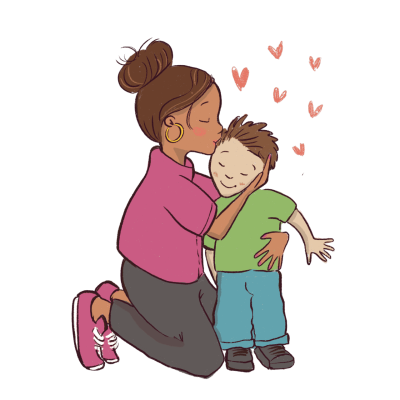
An illustration of a female parent or carer kneeling down and kissing her little boy on the top of his head.

On-demand training courses

Our online courses enable you to help your child with speaking, reading and writing and to identify if specialist support is required for their speech, language and communication needs.

A visual for SpeechWise's 'What the Phonics' training. This is an image of a female adult wearing a yellow jumper, she has her hands raised in frustration as she doesn't understand the subject matter.

What the Phonics?!

What the Phonics?! is for parents of children learning to read and write. This series will help you to understand what Phonics is, and how it works, so that you feel confident in supporting your child with reading at home in addition to their Phonics learning in the classroom.

Black and white image of three children laughing together as they play with plastic balls.

Communication Boosting Home

This series is useful for parents of pre-school and early primary school age, or for children with language difficulties. Join us for our top useful tips on how to naturally boost your child’s communication skills within the typical, busy day of being a parent.

Black and white image of three children laughing together as they play with plastic balls.

Understanding understanding

Do you want to understand what ‘understanding’ actually is? This series breaks down the different areas and skills a child needs in order to understand language; including vocabulary, key word level instructions and different types of questions. We talk about and show simple activities you can do to support and develop your child’s understanding.

Explaining speech & language therapy to your child

We believe that addressing communication difficulties early on is critical for children to enjoy a life without barriers and to reach their full potential.

Articles & insights

Join our community

Sign up to stay in touch. We’ll keep you up-to-date with the latest insights on speech and language therapy and the latest news from SpeechWise. This form is for general updates, for therapy enquiries use our interactive tool.

An illustration of a female parent or carer kneeling down and kissing her little boy on the top of his head.