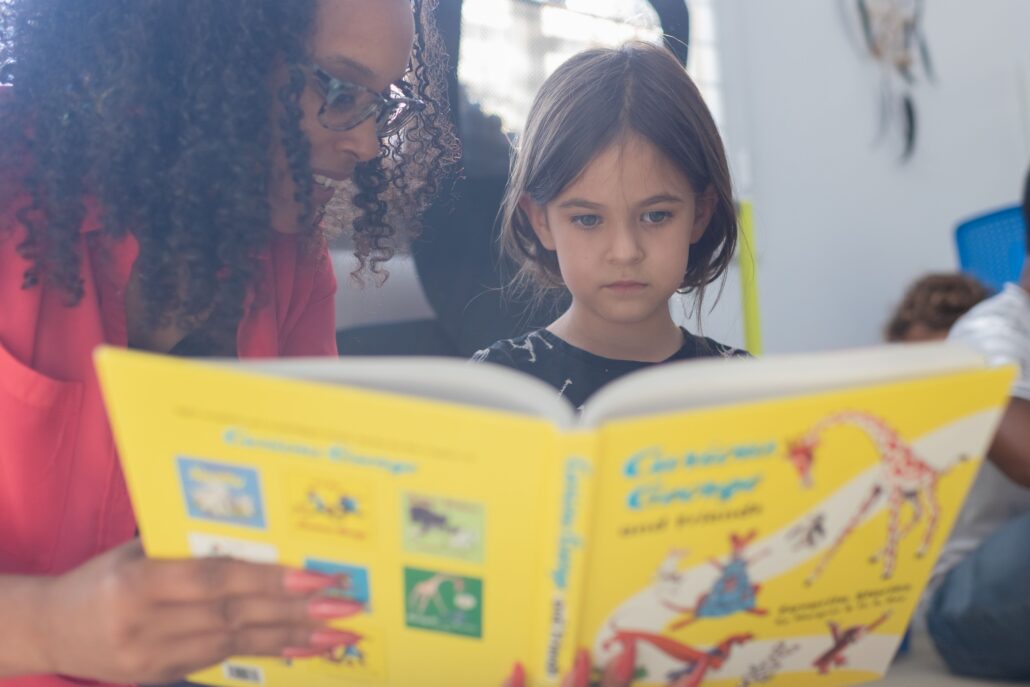
Before Phonics: What Every Teacher Should Know About Phonological Awareness
Have you ever taught a child who knows all their letter sounds, can name every letter, but still can’t blend a simple word like cat or dog? Or maybe a pupil who speaks clearly but doesn’t seem to notice that dog and log rhyme?
As a speech and language therapist, I see this often. These children are usually bright, motivated, and eager to learn — yet something isn’t quite clicking.
More often than not, what’s missing is phonological awareness — the ability to hear and manipulate the sounds in spoken words.
What is Phonological awareness?
Phonological awareness is all about listening — not reading or writing. It’s the ability to hear and play with the sounds in spoken language.
Some key components include:
- Noticing when words rhyme: Do cat and hat sound alike?
- Clapping out syllables: Breaking a word into beats, like sun-shine (2 claps).
- Hearing the first sound: Recognising the “sss” in sun.
- Blending sounds: Putting together individual sounds to form a word, e.g., /c/ /a/ /t/ = cat.
- Segmenting sounds: Breaking a word into its individual sounds, e.g., dog = /d/ /o/ /g/.
The great thing is, children don’t need to know any letters to develop phonological awareness — they just need their ears and voices. Think of it as “sound training” that primes their brains for reading and spelling.
Why Phonological Awareness Comes Before Phonics
It’s common to think that once kids know their letters, they’re ready for phonics. However, before they can match letters to sounds, they need to be able to listen closely and play with the sounds in spoken words.
This foundation is crucial. When it’s skipped or underdeveloped, learning to read and spell can become a frustrating challenge.
Why Is Phonological Awareness So Important?
Phonological awareness isn’t just a speech skill — it’s the foundation for reading, writing, and clear communication. Here’s why it matters:
- It helps children learn to read
Before kids connect sounds to letters, they must be able to hear and play with sounds in words. Without this, phonics can feel confusing or overwhelming. - It makes spelling easier
When children can break words down into individual sounds, spelling becomes less guesswork and more logical.
It supports clear speech
Some children struggle with pronunciation because they can’t hear or isolate the small sounds in words. Strong phonological awareness helps them listen carefully and articulate better.
- It predicts reading success
Research consistently shows that kids skilled in phonological awareness tend to become stronger readers.
Practical Activities to Build Phonological Awareness
Activity | Why it helps | How to do it |
Rhymes and sound play | Warms up ears and brains for noticing sounds | Read nursery rhymes; sing songs with rhymes |
Clapping syllables and rhymes | Helps hear beats; builds awareness | Clap syllables; rhyming books and games |
Blending and segmenting sounds | Prepares for connecting sounds to letters | Oral blending/segmenting with sounds and blocks |
Patience and extra practice | Builds confidence and skill over time | Repeat activities, give positive feedback |
Key Takeaways and Next Steps
- Phonological awareness is the essential sound foundation before phonics. It helps children hear, recognise, and play with sounds in words, setting them up for reading and spelling success.
- Knowing letters isn’t enough; kids need strong sound skills first. Without these, phonics can feel confusing and frustrating.
- Teachers play a vital role by incorporating fun, simple sound activities like rhymes, clapping syllables, and blending sounds orally before letters enter the picture.
- Patience and practice matter. Every child develops these skills at their own pace, so regular, engaging practice and positive encouragement go a long way.
Next steps: Try adding one or two phonological awareness activities into your daily routine this week. Notice how your students respond and build from there. When you lay this groundwork, phonics will become a smoother, more joyful journey for everyone.
If you’d like more guidance or resources to help your students develop phonological awareness, please don’t hesitate to contact us at SpeechWise Therapy. We are happy to help!
Resources for Teachers: Building Phonological Awareness
Looking to learn more or find ready-to-use activities? Check out these trusted resources:
- National Reading Panel Report (2000)
A research-backed guide highlighting why phonological awareness is key to reading success: https://www.nichd.nih.gov/sites/default/files/publications/pubs/nrp/Documents/report.pdf - International Dyslexia Association (IDA)
Accessible guides and classroom tips on phonological awareness and structured literacy: https://dyslexiaida.org/phonological-awareness/ - Reading Rockets
Teacher-friendly articles and activities focused on early literacy skills, including phonological awareness.
Explore phonological awareness resources : Basics: Phonological and Phonemic Awareness | Reading Rockets

Author: Khadijah Akhtar
Speech & Language Therapist
Khadijah Akhtar is a dedicated Speech and Language Therapist based in Manchester, working primarily in mainstream primary schools across the region.